Free worldwide shipping on all orders × SS25 collection · Now live × Drop 02 — The Cage · Releases Friday × Played in 47 countries × Free worldwide shipping on all orders × SS25 collection · Now live × Drop 02 — The Cage · Releases Friday × Played in 47 countries × Free worldwide shipping on all orders × SS25 collection · Now live × Drop 02 — The Cage · Releases Friday × Played in 47 countries × Free worldwide shipping on all orders × SS25 collection · Now live × Drop 02 — The Cage · Releases Friday × Played in 47 countries ×
01 · Founder note

Why we built VCTR.

On the long road from São Paulo street futsal to a Los Angeles design studio — and the brand that bridges them.
6 min read · By VCTR Editorial
Why we built VCTR.

I grew up playing football on concrete. Not on grass, not in stadiums, not on televised pitches. On concrete — in cages with broken nets, in alleys between buildings, on schoolyards where the goal was two backpacks ten feet apart. That's the game I love. That's the game I still play.

When I moved from São Paulo to Los Angeles in my twenties, I expected to find the same culture — the same kids dribbling between trash cans, the same Sunday-league legends. I did find them. But I couldn't find what they were wearing.

Football apparel had been hijacked by the corporate sport. Every brand sold the same thing: officially-licensed jerseys with sponsor logos, manufactured to make you a walking billboard for a team in a city you've never been to. None of it was designed for the way we actually play. None of it was designed for the way we actually live.

VCTR exists because that brand should exist. Premium athletic apparel for the players who learned the game on concrete — and the players who used to be them.

We are explicitly not affiliated with any club, league, or federation. We don't sponsor pros. We don't carry team kits. We design athletic clothing that performs like sport and lives like everyday — engineered fabrics, oversized fits, no sponsor crests, no advertising baked into your back.

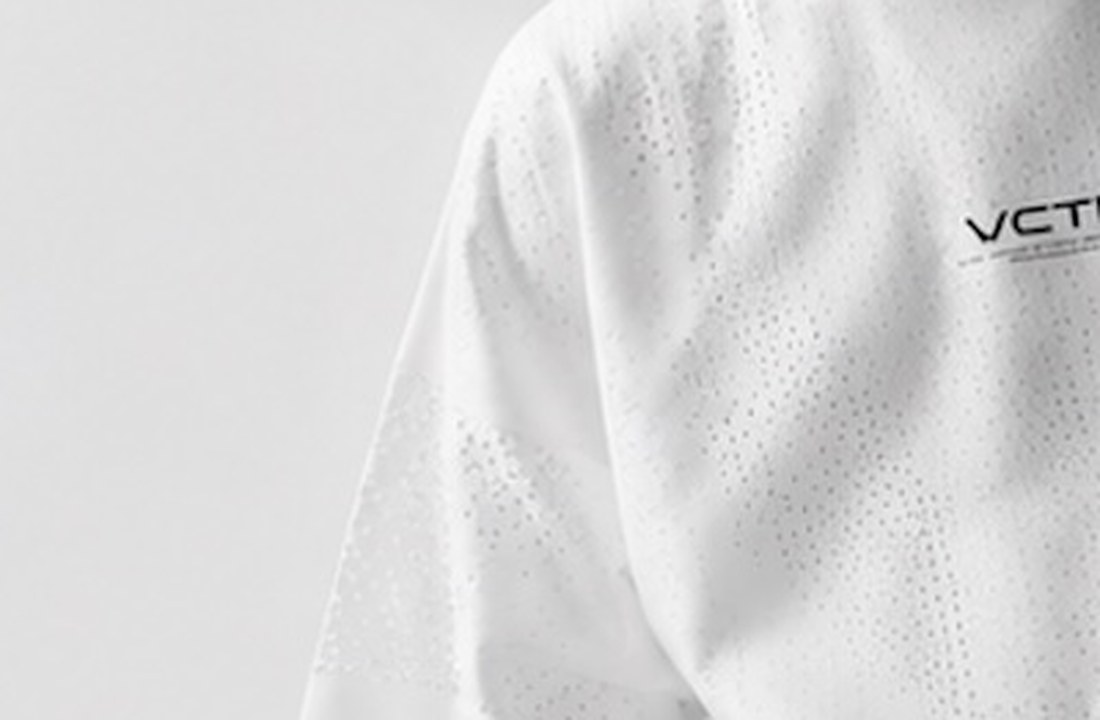
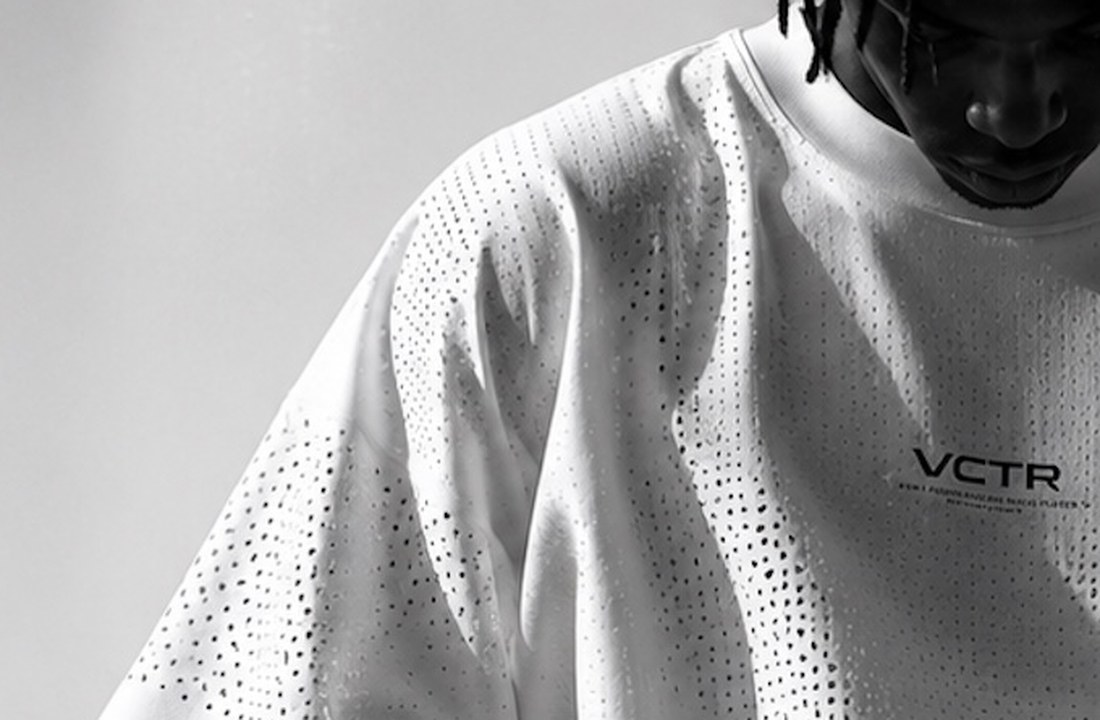
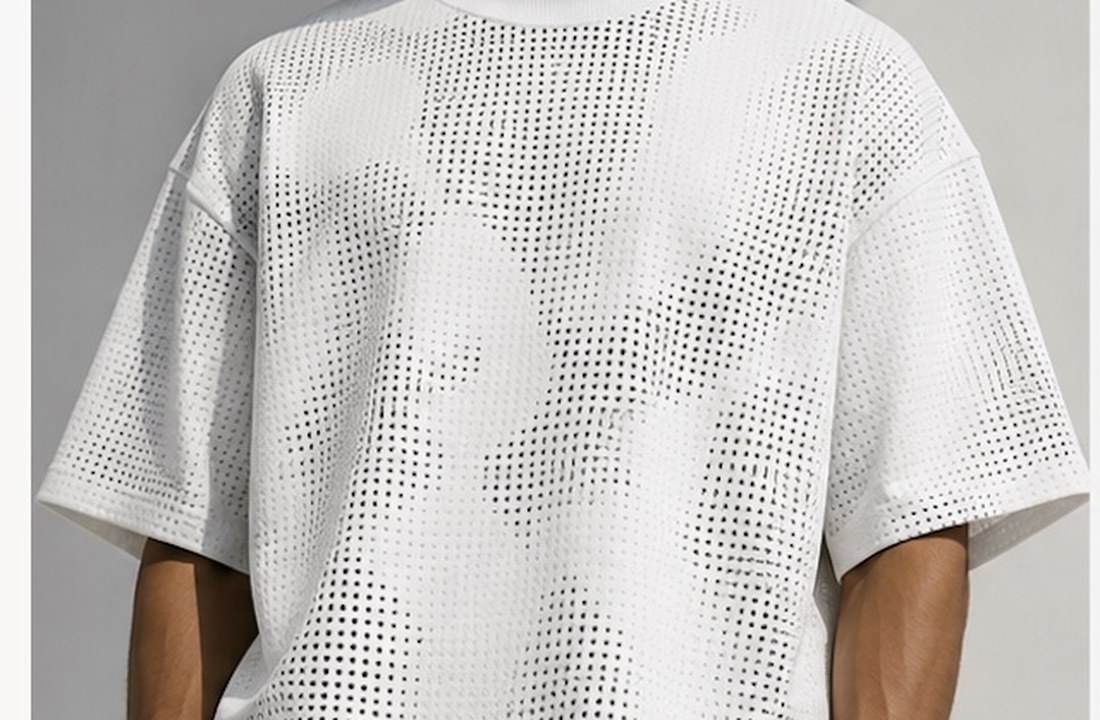
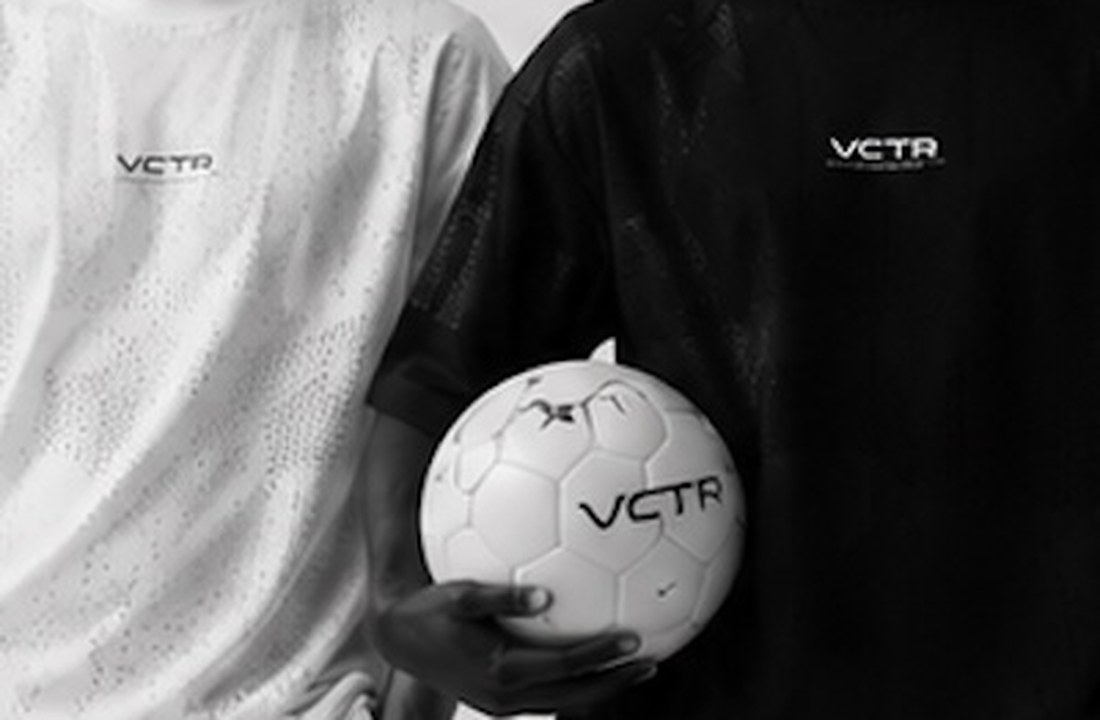
The first capsule, SS25 · The Origin, is built around this idea. The hero piece is a 240gsm perforated cotton tee. The cut is oversized. The brand mark is small. The drop is limited. Everything that follows is built on the same standard.

If this is for you, you already know. We're glad you found us. — Founder, VCTR · 2026

01 / 06 · VCTR Journal 6 min read
The 240gsm question.
02 · Process

The 240gsm question.

What weight, what knit, what feel. Inside the eighteen-month fabric search behind the Oversized Perforated Tee.

8 min read · By VCTR Editorial

The fabric on Product 001 is the result of eighteen months of swatches, sample yardage, and arguing with mills. Here's why.

Standard athletic apparel sits at one of two weights: 160gsm (light, sheer, drapey — what most tee shirts use) or 280gsm (heavy, structured, expensive — what most premium tees use). Neither was right for us. Light fabric felt cheap; heavy fabric felt like a sweatshirt.

We wanted something in between. Something with weight enough to feel substantial, but with breathability enough to play in. The answer, after fourteen swatches: 240gsm cotton with 8% elastane, perforated knit. The perforation is the magic.

A traditional knit traps heat. A mesh knit dumps too much structure. A perforated knit splits the difference — heavy enough to drape, ventilated enough to breathe. We worked with a São Paulo mill that's been producing technical knits since 1971. They told us the perforation cycle would cost us 35% more per yard. We took it.

The result is a tee that feels like nothing else. It's substantial in the hand and weightless on the skin. It moves with you. It survives the cage. It looks like Vuori, performs like Adidas, lives like Aimé Leon Dore.

There's only one fabric like this in the world right now. We have an exclusive on it through 2027. That's the answer to the 240gsm question.

02 / 06 · VCTR Journal 8 min read
03 · Field report

São Paulo to LA.

Why VCTR is cut and sewn in two cities — and how each one shows up in the final garment.

10 min read · By VCTR Editorial
São Paulo to LA.

Most apparel brands are designed in one country and made in another — usually a country with cheap labor and no design culture. We rejected that.

VCTR is built across two cities: São Paulo and Los Angeles. São Paulo handles cut and sew. LA handles design, fit, and production oversight. Both cities matter. Both cities show up in the work.

São Paulo's textile industry is one of the most under-appreciated in the world. The Brazilian mills produce some of the finest technical knits in the global supply chain — Lululemon and Athleta have been quietly sourcing from them for years. The cutting-edge spinning machinery, the weave expertise, the colorways. It's all there. We pay above-market rates and our team has been with us since day one.

Los Angeles handles design. Our design lead, who came from Vuori's outerwear division, runs sketches and tech-packs out of a downtown LA studio in the Arts District. The proximity to American streetwear culture matters. The LA athleisure scene is where football casual aesthetics intersect with skater, surf, and hip-hop. We pull from all of it.

Both cities ship to one warehouse in Long Beach. From there, every order ships globally, usually within 48 hours.

São Paulo for craft. LA for taste. That's the formula.

03 / 06 · VCTR Journal 10 min read
The case against sponsor logos.
04 · Manifesto

The case against sponsor logos.

Why no VCTR garment will ever carry an advertising logo for a team, a league, or a sponsor.

4 min read · By VCTR Editorial

Open any apparel store. Look at the football aisle. Every garment has a sponsor logo. Every jersey is a billboard. The team owns your chest. The sponsor owns the team. You paid $90 to advertise an insurance company.

Nothing about this is normal. The transaction is inverted. You paid to wear their brand. Then you walk around all day giving them free media impressions. The sport calls this 'fan engagement.' The advertising industry calls it 'unpaid out-of-home media.'

VCTR is the alternative. We make football-inspired apparel with one logo on it — ours. We don't sell licensed kits. We don't sponsor pros. We won't put a brewery's name on your chest in exchange for a million dollars (we've been asked twice).

Our brand mark is small. Our name doesn't dominate the garment. The work speaks first. The label is incidental.

This is non-negotiable. Every garment we ship from now until forever will follow this rule. It's the only way to make clothing that respects the wearer. — VCTR Founders

04 / 06 · VCTR Journal 4 min read
05 · Design philosophy

What 'Engineered Movement' means.

Three words on the tag. Here's the design system they actually describe.

5 min read · By VCTR Editorial
What 'Engineered Movement' means.

The inner tag of every VCTR garment reads: Direction. Speed. Control. Three words. One design philosophy.

Direction is the silhouette. Our cuts are intentionally oversized — modeled on the way street footballers actually move. The tee drops just past the hip. The shoulder seam falls below the natural shoulder. The body has room for full lateral movement without binding. That's the way a player needs to dress when they're moving in three dimensions at once.

Speed is the fabric. Every weave we use is engineered for high-output movement. 240gsm perforated knit on tees. Brushed double-knit on track pieces. Lightweight ripstop on shorts. Each material was selected to handle sweat, sun, friction, and a 90-minute play session without warping or thinning.

Control is the hand-feel. This is the part nobody talks about. Premium fabric isn't just about technical performance — it's about how the garment moves through your fingers when you fold it, how it sits on the skin when you wear it, how it falls when you toss it on the bed. We obsess over this. Our test cycle for every fabric includes a thirty-day wear cycle for our internal team to vote on hand-feel before production.

Direction, speed, control. Cut, fabric, feel. That's the system.

05 / 06 · VCTR Journal 5 min read
Inside the SS25 fitting.
06 · Behind the scenes

Inside the SS25 fitting.

What happened in the room when we pattern-tested the Oversized Perforated Tee on real footballers.

7 min read · By VCTR Editorial

Every VCTR fit is tested on real bodies. Not size-medium mannequins. Real bodies playing real football.

For SS25, we ran fit sessions in São Paulo (March 2026) and Los Angeles (April 2026). 24 testers total. Ages 17 to 47. Heights from 5'5" to 6'4". Body types from lean midfielder to broad center-back to over-the-hill weekend amateur.

Each tester wore the proto-tee for a 90-minute session — first a controlled passing drill, then a small-sided 5v5. We measured the garment before and after for stretch, perforation distortion, and seam shift. We then asked each tester two questions: would you buy this, and what would you change.

The first round of testing told us our shoulder was 1.5cm too tight on the larger frames. The second round told us the perforation cycle near the side seam was too aggressive. The third round told us the brand mark on the chest needed to be 4mm smaller. Each correction shipped to the São Paulo mill. Each correction was confirmed in the next fitting cycle.

By the time SS25 entered production, the tee had been through six rounds of refinement. Every centimeter is documented. Every customer wears the garment that twenty-four other players unanimously voted on.

That's how we make clothes.

06 / 06 · VCTR Journal 7 min read
Subscribe

New stories.
Monthly.

First-person editorial from the people building VCTR. Founder notes, design process, field reports. No marketing, no fluff.